Contents
Is Dropshipping Legal for Ecommerce in 2026? US Rules, Risks, and a Compliance Checklist
If you are building a Shopify store or scaling a winning product, the legal risk is rarely the dropshipping model. The risk is what you sell, what you promise in ads, and how you handle shipping, refunds, and taxes.
Dropshipping is legal in the US when you operate like a real retailer: you are the seller of record, your claims are truthful, your delivery promises are accurate, and your products are compliant. This explainer gives you the rules that actually trigger chargebacks, account holds, takedowns, and lawsuits.
In Short: Dropshipping is a legal ecommerce fulfillment model where you sell products online without holding inventory, then buy the item from a supplier who ships it to your customer. Problems start when you violate consumer protection rules, intellectual property rights, product safety requirements, tax obligations, or platform policies.
Want to learn more about this topic?
Discover our Related Subcategories


Is dropshipping legal in the US
Dropshipping is legal in the US because it is a fulfillment method, not a regulated type of business. The model becomes risky when your store misrepresents shipping, makes deceptive claims, sells restricted or unsafe products, infringes trademarks or copyrights, or mishandles tax and refunds.
Dropshipping is not automatically a legal gray area. From the customer’s perspective, it is normal online retail.
You accept the payment. Your store name is on the checkout and confirmation email. Your support inbox receives the complaint. That is why regulators, platforms, and payment processors treat you as the seller.
A simple operating principle keeps you safe.
If a customer can reasonably say, “I bought this from your store,” then you must deliver the same standard as any other ecommerce retailer.
How dropshipping works from a legal standpoint
Legally, dropshipping works like standard retail. You create the offer, take the money, and are responsible for what the customer receives. Your supplier is a vendor, not a shield, even if they ship the parcel.
The legal obligations follow the money flow.
You list a product on your Shopify store at $29.99.
A customer buys it and pays you $29.99.
You pay your supplier for the unit, for example $11.50.
The supplier ships to your customer.
Your gross margin is $18.49 before ads, refunds, disputes, and tools.
Step 2 is the point of responsibility. If a product is defective, counterfeit, or never arrives, the customer does not negotiate with your supplier directory. They dispute the charge, report your store, and demand a refund from you.
When dropshipping becomes illegal
Dropshipping becomes illegal when you break laws that apply to any online seller, including fraud, tax evasion, intellectual property infringement, and consumer protection violations. The fulfillment model is not the illegal part. The behavior is.
The most common “illegal dropshipping” situations are predictable.
Counterfeits and brand replicas
Selling products that use protected logos, names, packaging, or design elements can trigger trademark infringement and customs seizures. Even if a supplier labels a product “unbranded,” your listing and ad creative can create infringement.
Intellectual property violations in content
You can infringe without selling a counterfeit.
using photos or videos you do not have rights to
copying competitors’ product descriptions
implying affiliation with a known brand
Deceptive advertising and shipping promises
Consumer protection risk usually starts with exaggeration.
claiming a shipping timeline you cannot meet
promising results you cannot substantiate
using testimonials or reviews that are not genuine
Restricted categories without compliance
Some categories are legal but regulated. Others are prohibited on specific platforms.
High-risk categories for dropshippers include supplements, cosmetics with active ingredients, electronics with batteries, kids products, and products that look like medical devices.
Want to learn more about this topic?
Discover our Related Subcategories
Dropshipping vs affiliate marketing vs wholesale
Dropshipping is retail where you are the seller of record and control pricing. Affiliate marketing is referral where another company is the seller of record. Wholesale is retail where you buy inventory upfront and fulfill it yourself or through a warehouse.
This confusion matters because legal obligations change based on who is responsible for the sale.
Factor | Dropshipping | Affiliate marketing | Wholesale |
|---|---|---|---|
You take payment | Yes | No | Yes |
You set price | Yes | No | Yes |
You handle refunds | Yes | No | Yes |
Upfront inventory cost | Low | None | High |
Typical gross margin range | 10% to 30% | 3% to 15% commission | 30% to 60% |
Primary risk | Product, claims, delivery, taxes | Disclosures and ad claims | Inventory, safety, taxes |
Affiliates can be simpler because the merchant owns fulfillment.
Wholesale and private labels reduce supplier surprises but require more cash and tighter inventory management.
Dropshipping is easy to start and harder to run cleanly at scale.
The legal requirements most US dropshippers actually need

Most US dropshipping compliance is solved by five moves: operate under a real business identity, publish clear policies, follow FTC advertising rules, avoid intellectual property traps, and handle taxes correctly where you have nexus.
Exact requirements vary by state and product category, but the pattern is stable.
Business identity and registration
You can start as a sole proprietor, but your storefront identity and your payment accounts must match.
use one consistent business name
publish a real support contact and return address
keep terms and refund policies visible
An LLC can reduce personal liability in some scenarios, but it does not protect you from fraud, taxes, or IP infringement.
Policies that prevent disputes
These pages reduce chargebacks more than most sellers expect.
shipping policy with real delivery ranges
refund and return policy with timing and conditions
privacy policy describing how you handle customer data
A dispute is easier for a customer to win when policies are vague or inconsistent.
Taxes and records
Income tax is about profit. Sales tax is about where you sell and whether you have nexus.
Most stores start simple and get complex as they scale. Track revenue and expenses weekly, separate business and personal spending, and review your nexus exposure as sales grow.
FTC rules: ads, reviews, and claims
FTC rules matter because your ads and product pages create the promises customers rely on. If you exaggerate results, hide material information, or present fake reviews, you create enforcement risk and you also create chargeback risk.
Clean marketing is a legality advantage.
Truth in advertising means claims must be truthful and supportable. If a statement changes whether someone would buy, treat it as a claim that needs proof.
Endorsements and reviews must not be misled. If a review is incentivized, disclosure is needed. If a testimonial is not real, do not use it.
Shipping claims are part of this. If you say “fast shipping” or “US warehouse,” your fulfillment process must match. Many dropshipping disputes start with a broken delivery promise.
Product liability: the part most dropshippers ignore

Product liability can still land on you because you are the seller putting the item into commerce under your store’s brand, even if a supplier ships it. If a product injures someone or causes damage, the seller is often the easiest accountable party.
Risk rises when you sell products that involve heat, electricity, batteries, charging, children, or health outcomes.
You can reduce risk with a basic control system.
order samples before scaling ads
avoid categories where safety claims or labeling are complex
keep SKU consistency by sticking to one vetted supplier source
If you are scaling beyond hobby revenue, product liability insurance can be a rational cost, especially in higher-risk categories.
Platform policies: Shopify, Amazon, and payment processors
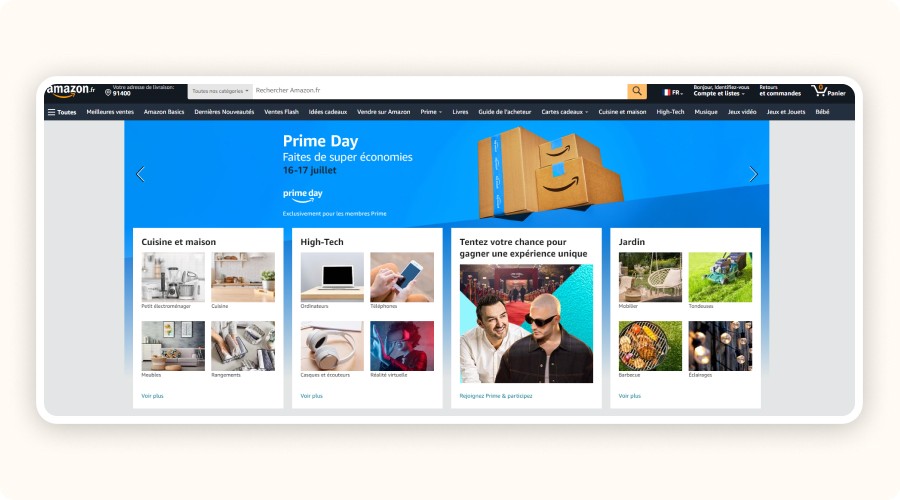
Platforms do not ban dropshipping as a concept, but they enforce policies that punish sloppy dropshipping. The main triggers are poor delivery performance, high dispute rates, and being unclear about who the seller of record is.
Shopify and payment processors react to outcomes. If shipping is slow and refunds rise, payouts can be delayed and reserves can be held.
Amazon’s policy is stricter. You must be the seller of record on packing slips and invoices and remove third-party branding from customer packaging.
Summary table: legality and risk drivers
The legality of dropshipping depends on controllable factors: product compliance, truthful advertising, accurate shipping promises, clean refunds, and tax discipline. The model itself is legal, but sloppy execution creates predictable legal and platform risk.
Risk driver | What compliant looks like | What triggers trouble |
Product and IP | original content, no replicas | counterfeits, brand misuse |
Shipping | real delivery ranges | misleading shipping claims |
Ads and reviews | substantiated claims | deceptive before and after |
Refunds | clear policy, fast support | high disputes, vague terms |
Taxes | tracked profit and nexus | ignored filings |
A practical compliance checklist for your dropshipping store
A compliant dropshipping store is built around proof, disclosure, and control. Proof means you can substantiate claims. Disclosure means customers are not surprised by shipping or returns. Control means you do not scale products you cannot deliver and support reliably.
Use this checklist before you scale a product past your first test budget.
Store and identity
use one consistent business name across store, domain, and payment accounts
publish contact information that customers can actually use
keep refund, shipping, and privacy policies visible
Product and listing
verify the product is not a branded replica or trademark trap
use your own photos or licensed assets
avoid health outcomes unless you have real substantiation
Shipping and fulfillment
publish real delivery ranges based on supplier performance
build a lost package and delayed delivery process
stop scaling suppliers that change product quality or packaging
Returns and refunds
define who pays return shipping and state it clearly
set a realistic return window and follow it consistently
watch refund rate as a store health metric
Taxes and records
track revenue and expenses weekly
separate business and personal spending
monitor where you may be creating sales tax nexus as sales grow
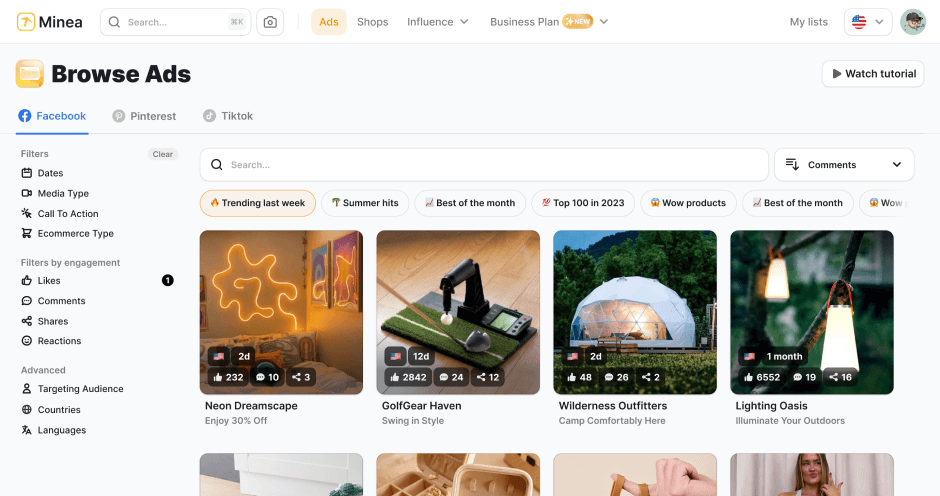
If you want a fast pre-test filter, use Minea before you order samples or spend serious ad budget.
In Minea’s AdSpy, you can verify whether multiple stores are actively running creatives for the same product category and which angles dominate the ads. That helps you avoid products that only sell through exaggerated claims.
The brief’s current Minea trend set also shows an average product price of $29.99, which is a reminder that many trending products sit in a margin range where refunds can wipe out several orders of profit.
Want to learn more about this topic?
Discover our Related Subcategories
Why do so many dropshippers fail even when dropshipping is legal

Dropshipping is legal, but many stores fail because thin margins and long shipping times create refunds and disputes. Disputes create payment issues. Payment issues remove cash flow. The failure pattern looks like a legal problem, but it usually starts as execution.
The most common chain reaction is simple.
A seller scales a product before verifying quality and shipping behavior. Customers complain. Refunds rise. Chargebacks rise. Payouts get delayed. The store runs out of cash and cannot service orders.
You reduce this risk by building for reliability.
pick safer products and avoid regulated categories
publish accurate shipping ranges and meet them
scale only what delivers consistently
treat support speed as a growth lever
Minea can also help you avoid saturated products by showing how many near-identical creatives are already running across multiple stores in your target market.
How to get started safely and legally
You can start dropshipping legally with a simple plan: choose low-risk products, set truthful policies, order samples, and run small ad tests before scaling. Treat compliance as a system you build early, not a cleanup job after your first suspension.
Keep the first month controlled.
choose one product category you can support
build policy pages and basic support scripts before ads
order at least one sample from your intended supplier
test with a controlled ad budget, then scale only if shipping and refunds behave
If you want to shorten product research time, use Minea to validate demand and creative angles before you commit to a supplier. That helps you focus testing on products with real market activity rather than guesswork.
Conclusion
Dropshipping is legal for ecommerce in 2026 when you operate like a real retailer: truthful ads, compliant products, accurate shipping disclosures, and clean tax handling. The safest path is to avoid restricted categories, avoid IP traps, and scale only what you can deliver and support predictably.
If you are building a durable store, treat compliance as a weekly operating system.
If you want to speed up product research without guessing, Minea helps you validate demand and creative angles before you invest in samples or ads
FAQ
The legality of dropshipping is usually settled quickly, but sellers still get tripped up by platforms, taxes, and claims. These answers address the most common questions that show up before and after a store starts scaling.
Can you get in legal trouble for dropshipping
Yes. Legal trouble comes from selling restricted products, infringing intellectual property, deceiving customers with false claims, or evading taxes. Many problems appear first as chargebacks, platform suspensions, or payment holds, then escalate when a seller ignores the pattern.
Do you need a business license to dropship in the US
Sometimes. Requirements vary by state and by city. Many sellers start small without a specific license, but consistent sales usually require a cleaner setup with registration, tax accounts, and local permits if applicable.
Is dropshipping considered a legitimate business
Yes. Dropshipping is a legitimate retail model when you act as the seller of record and deliver what you promise. Legitimacy comes from clear policies, accurate advertising, compliant products, and reliable fulfillment.
Is $500 enough to start dropshipping
$500 can be enough to test if you keep scope tight. A starter budget often includes a Shopify plan, a domain, samples, and a small ad test. The real constraint is how many tests you can run before you find a winner with predictable shipping and refunds.
Can you make $10,000 per month dropshipping
Yes, but at that revenue level you need real operations to keep risk low. You need consistent shipping performance, fast support, clean ad claims, clear refund handling, and basic tax and bookkeeping discipline.
Want to learn more about this topic?
Discover our Related Subcategories